

Child Development
Simple Ways to Support Your Child's Speech and Language at Home
Written by Susana, Owner & Manager at Destiny Haven Nursery
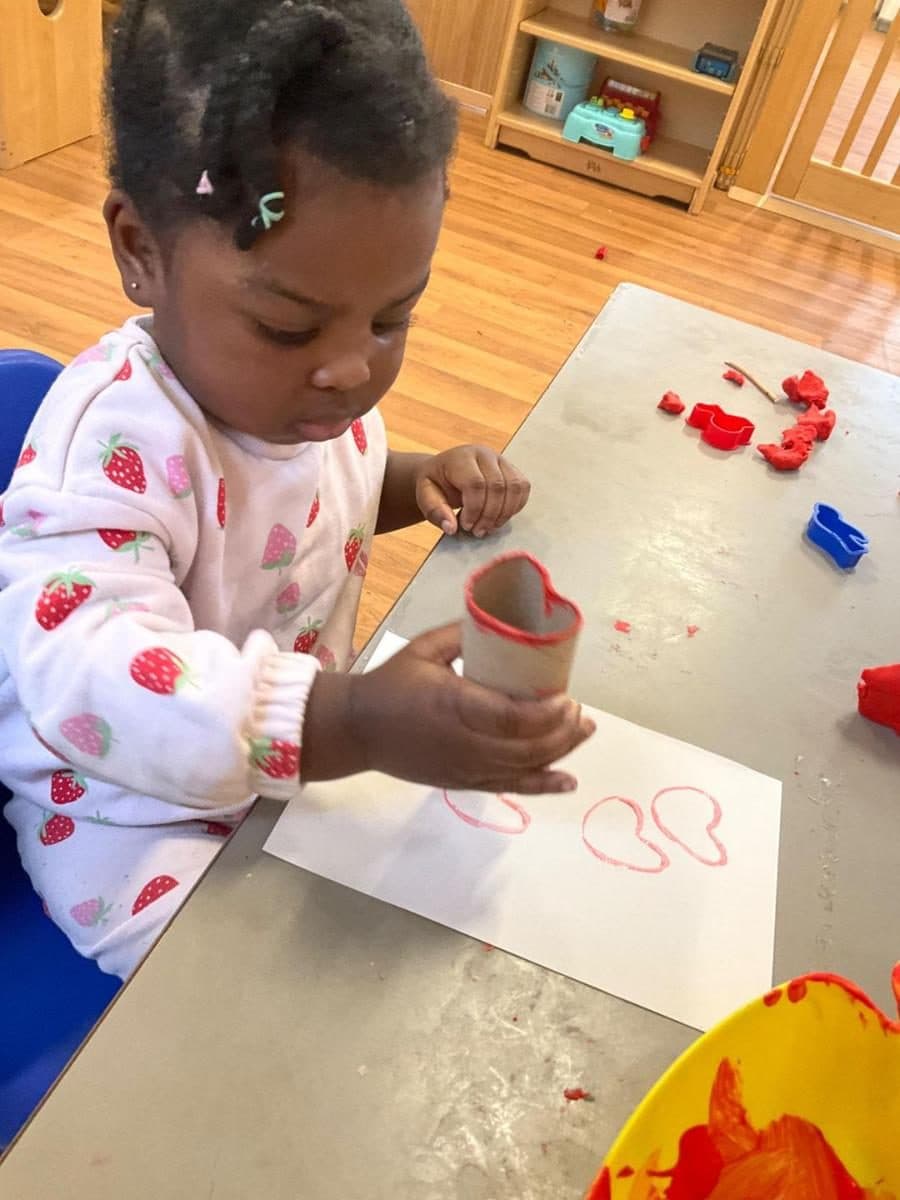
Speech and language development is one of those things parents often worry about quietly, not always sure whether what they are seeing is typical or whether they should be doing more. We hear this a lot from families across Haringey and the wider North London area, and the honest answer is that the most powerful things you can do happen naturally, within the everyday rhythm of home life.
At Destiny Haven Nursery we use the Wellcomm programme, which is specifically designed to support children's communication and language. It gives us a structured way to track and nurture how children are developing, and it also gives us a shared language to use with parents. But what we notice, time and again, is that the children who make the most confident strides in communication are the ones whose families are talking, listening, and playing with them consistently at home.
Here is what we encourage parents to try.
Talk through what you are doing
You do not need special resources or dedicated activity time. Narrating the everyday, getting dressed, preparing dinner, walking to the park, gives children repeated exposure to vocabulary in a context they can see and feel. "I am putting your coat on now. It is cold outside today." Simple, calm, and genuinely effective.
With very young children, including babies from around three months, this kind of running commentary is laying groundwork they will draw on for years. We see the difference it makes when children arrive at nursery having had that language-rich experience from the very beginning.
Make space for them to respond
One of the most common things we observe is that adults, with the best intentions, fill the silence too quickly. Children need processing time. Ask a question, then wait. Even babies communicate through facial expressions and body movement before they have words, and giving them that pause teaches them that their contribution matters.
As children grow, try offering choices rather than yes or no questions. "Do you want the red cup or the blue cup?" gives a child something specific to respond to, and builds vocabulary at the same time.
Read together, but make it a conversation
Books are brilliant, but the real benefit comes from talking about them rather than just reading the words. Point to pictures and name what you see. Ask what might happen next. Revisit the same books repeatedly. Children do not find this boring the way adults do. Each re-read gives them another chance to consolidate language and make new connections.
At nursery we weave phonics and storytelling into daily life, but a picture book on the sofa at bedtime is doing work that goes far beyond the story itself.
Sing and rhyme as much as you can
Rhymes and songs help children tune into the sounds within words, which is the foundation for learning to read later on. You do not need to be a confident singer. Repetitive songs like "Row, Row, Row Your Boat" or "Incy Wincy Spider" are working on rhythm, memory, and phonological awareness all at once.
Families in Haringey often tell us they feel a bit self-conscious about singing. We always say: your child is your most encouraging audience.
Respond to what they mean, not just what they say
When a young child says "more biscuit" instead of "can I have more biscuit please," the instinct can be to correct them. We find it is far more effective to model the fuller version naturally. "Oh, you want more biscuit. Here you go." This gives them the correct form without the interaction becoming a lesson, and keeps the flow of communication warm and enjoyable.
Know when to seek a little extra support
Most of what we describe above is about enriching the environment rather than intervening. But it is also worth knowing that early support for speech and language, where it is needed, makes a significant difference. If you have any concerns about your child's communication, speak to your health visitor or your child's key person at nursery. At Destiny Haven we have SEND support in place and can help families understand the right next steps without any pressure or alarm.
Children's language does not develop on a fixed timetable, and there is a wide range of what is typical. What matters most is that communication feels safe, enjoyable, and full of genuine connection.
If you would like to see how we support speech and language development day to day, including how we use the Wellcomm programme alongside creative play and phonics, we would love to welcome you for a look around. We have nurseries in Noel Park and Tottenham, and we are always happy to chat about how we can work in partnership with you to support your child. Book a tour and come and see us.
Come and see us for yourself
Book a relaxed tour of Destiny Haven Nursery and meet our team.
Book a tourOther guides you might like
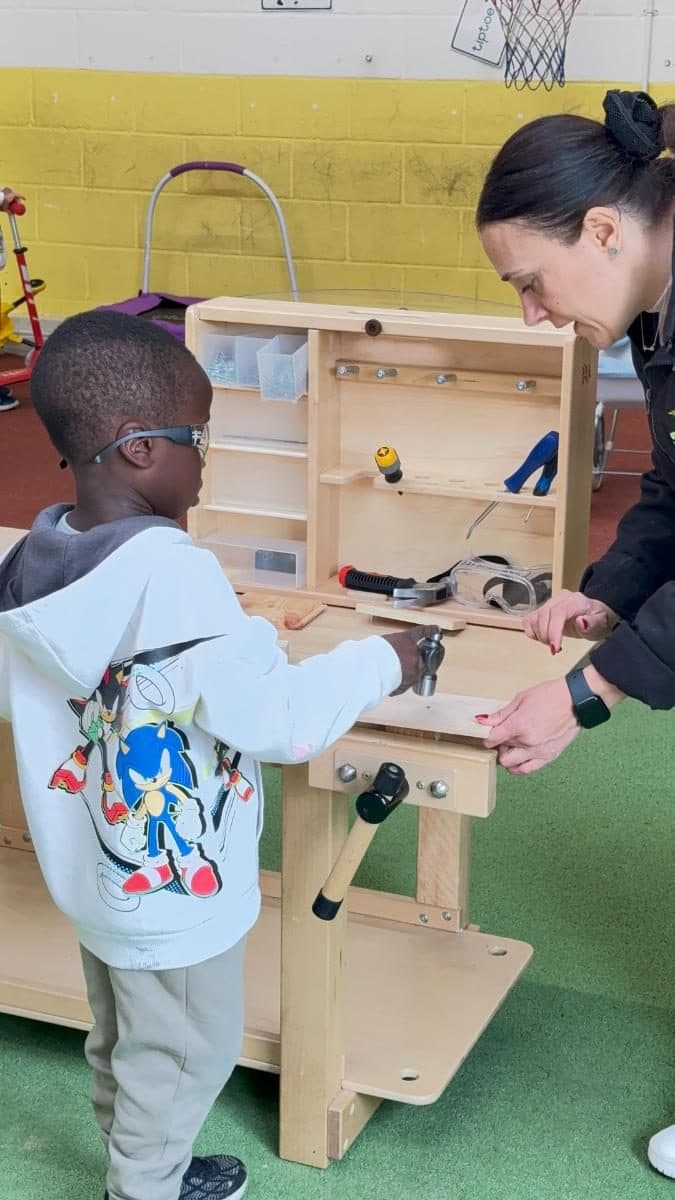
Child Development
Simple Ways to Support Your Child's Speech and Language Development at Home
Speech and language development happens in the small moments of everyday life. Here are some of the approaches we use at Destiny Haven Nursery, and how you can carry them on at home.
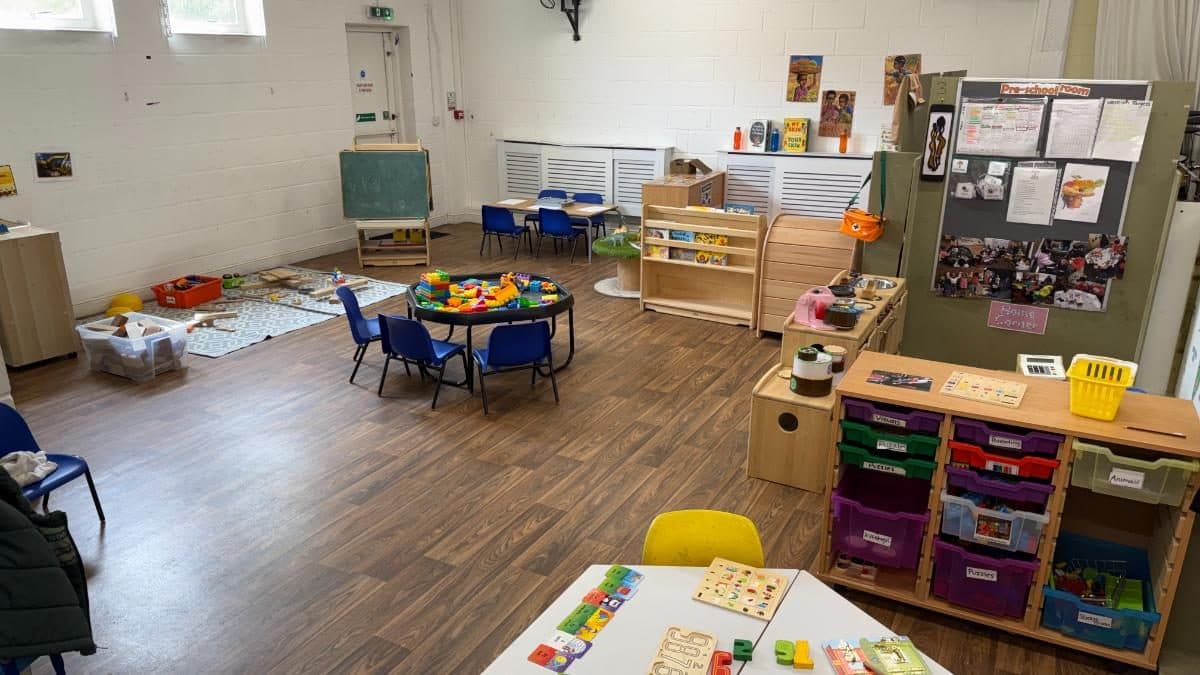
Child Development
What Is the EYFS Framework and What Does It Mean for Your Child?
The EYFS framework shapes how nurseries in England support children's learning and development from birth to age five. Here is what it actually means in practice, and how we use it at Destiny Haven.
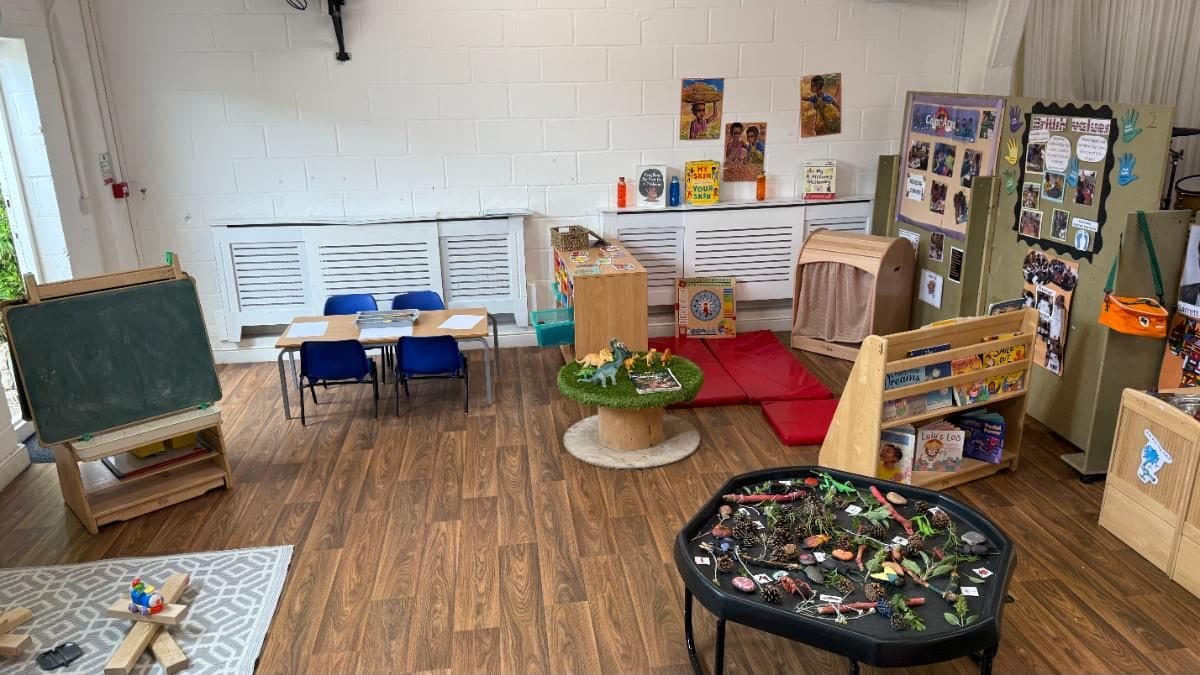
Child Development
Why Routine Matters So Much for Toddlers (And How We Support It at Nursery)
A consistent daily routine gives toddlers the security they need to explore, learn, and thrive. Here's what we see every day at Destiny Haven Nursery, and why it makes such a difference.
Frequently asked questions
At what age should I be concerned if my child is not talking yet?
There is a wide range of typical development, but if your child is not babbling by 12 months, not using any words by 18 months, or not combining two words by age two, it is worth mentioning to your health visitor. Early conversations with a professional are always better than waiting and worrying on your own.
How much does screen time affect speech and language development?
What we observe is that it is less about screens themselves and more about what replaces them. Passive screen time reduces the back-and-forth interaction children need. If screens are part of daily life, watching together and talking about what you see can help preserve that conversational quality rather than remove it entirely.
Does Destiny Haven Nursery offer support for children with speech and language delays?
Yes. We have SEND support in place at both our Noel Park and Tottenham sites. We also use the Wellcomm programme, which helps us monitor and support communication development from an early stage. If you have concerns, we will work alongside you and signpost to any additional support that might help.
What ages do you accept at Destiny Haven, and do you offer funded places?
We welcome children from three months to five years, Monday to Friday, 8am to 6pm, with an early start available from 7:30am. We accept both 15 and 30 hours government-funded places. You are welcome to get in touch or book a tour to find out what is available at our Noel Park or Tottenham settings.