

Child Development
Why Messy Play Matters More Than You Might Think
Written by Susana, Owner & Manager at Destiny Haven Nursery
There is a moment we see regularly at nursery, usually when a child plunges their hands into a tray of wet sand or squishes paint between their fingers for the first time. They pause. They look at their hands. And then something shifts, and they are completely absorbed. That moment of absorption is not accidental. It is learning happening in real time.
Messy play sits at the heart of what we do at Destiny Haven Nursery, and parents often ask us why we prioritise it so much. The honest answer is that we have seen, day after day, what it does for children. It is one of those areas where what we observe in the room backs up everything we know about early childhood development.
What We Mean by Messy Play
Messy play is any activity where children explore materials through touch, movement, and experimentation. That might be:
- Finger painting or printing with objects
- Playing with wet or dry sand, water, mud, or clay
- Mixing cornflour and water to make gloop
- Exploring shaving foam, cooked pasta, or dried lentils
- Digging in soil or making mud pies
The mess is not incidental. It is the point. Children need the freedom to explore without worrying about doing it correctly.
The Development Happening Underneath the Mess
Sensory processing. Young children make sense of the world through their senses. When a child handles cold, wet clay or warm, dry sand, they are building their brain's ability to process and respond to sensory information. For some children, particularly those with sensory sensitivities, gentle and repeated exposure to different textures through play is genuinely therapeutic.
Fine motor skills. Squeezing, pouring, pinching, and moulding all strengthen the small muscles in the hands and fingers. These are the same muscles children will eventually use to hold a pencil. We find that children who have had plenty of hands-on sensory play tend to approach mark-making with more confidence and less frustration.
Language and communication. Messy play is a brilliant context for conversation. Children narrate what they are doing, ask questions, describe what something feels or smells like, and negotiate with other children over resources. Our Wellcomm programme, which supports language and communication development, works naturally alongside this kind of play because there is always something to talk about.
Problem-solving and creativity. What happens if I add more water? Can I make this taller? Why does it keep falling? Children set themselves challenges and work through them without even realising that is what they are doing.
Emotional regulation. There is something genuinely calming about sensory play. We often notice that children who arrive at nursery unsettled will begin to regulate once they are engaged in something like water play or kneading dough. It gives hands and minds something to focus on.
What Parents Tell Us
Families across Haringey often tell us that messy play feels more manageable once they understand what is behind it. The most common thing we hear is: "I didn't realise it was doing so much." That is completely understandable. From the outside, it can look like a child just making a mess. From where we stand, watching closely, we see concentration, experimentation, communication, and real joy.
Some children take a little time to warm up to messy play, especially if they find certain textures uncomfortable. We never push. We offer, we sit alongside, we model, and we follow the child's lead. That approach, rooted in our settling-in philosophy and key person relationships, means children tend to get there in their own time.
Messy Play at Home
You do not need much to bring this into your home. A tray, a shower curtain on the floor, and some cornflour and water is enough. Dry lentils or rice in a tub with some spoons and pots keeps many children busy for a surprising amount of time. And if the weather allows, a patch of garden soil and a bucket of water is as good as anything you could buy.
The key thing is to step back and let them lead. Resist the urge to tidy as they go, or to show them the "right" way to do it. The learning is in the exploring, not the outcome.
Messy Play Across Our North London Settings
At both our Noel Park and Tottenham sites, messy play features throughout the week as part of our creative play curriculum. We plan activities carefully, but we also leave room for children to follow their own curiosity. Some of the richest play we see happens when a child takes something in a direction we did not plan for.
If you are based in Haringey or the surrounding area and would like to see how we approach this kind of play in practice, we would love to show you around. You can book a show-around at whichever of our sites suits you best.
Come and see us for yourself
Book a relaxed tour of Destiny Haven Nursery and meet our team.
Book a tourOther guides you might like

Child Development
Why Outdoor Play Matters More Than You Might Think
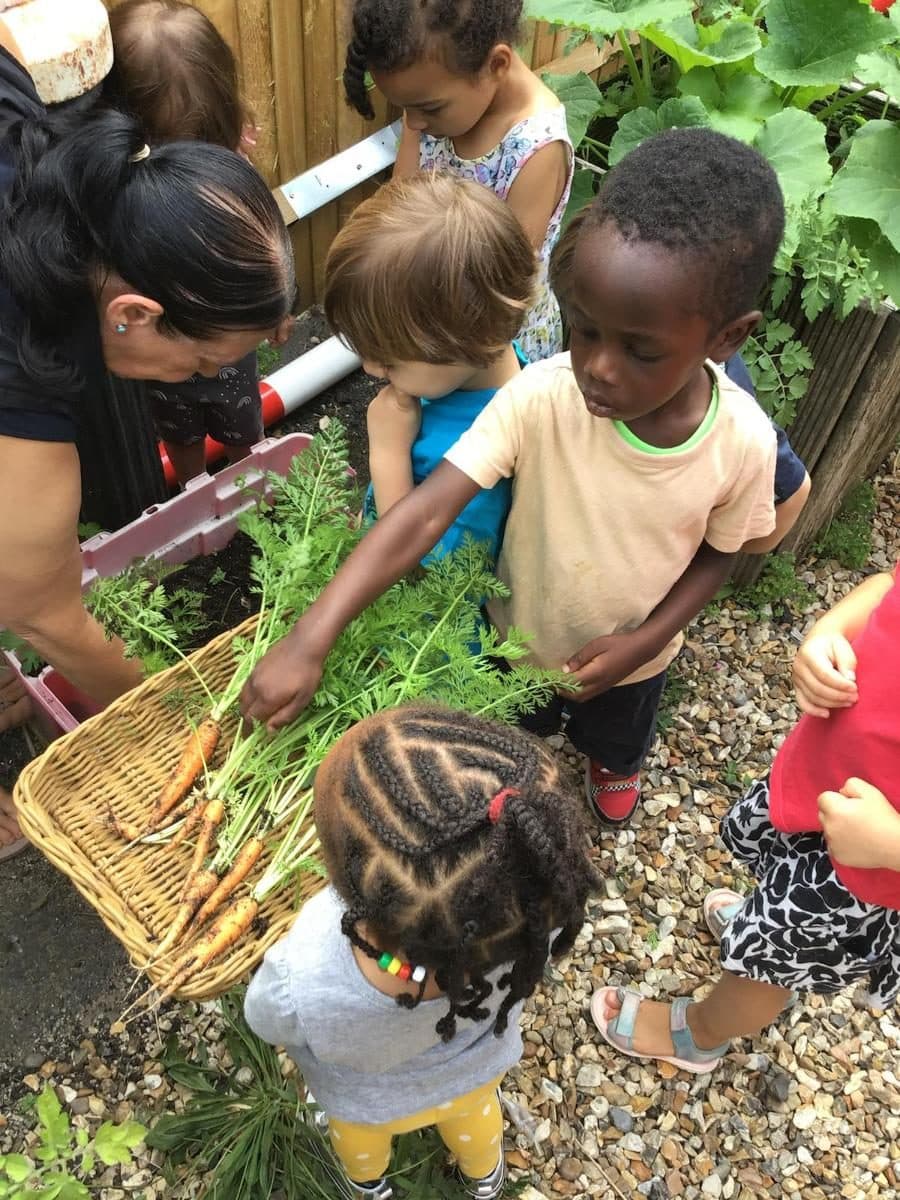
Outdoor play is one of the most powerful things young children can experience, and it is about far more than fresh air. Here is what we see every day at Destiny Haven Nursery and why it shapes so much of a child's early development.
Child Development
Growing Up with Two Languages: What We See at Nursery and How We Support Bilingual Children
Many families in Haringey and across North London are raising children with more than one language at home. Here is what we observe day to day with bilingual children, and how we support their language development from the earliest age.
Child Development
What Mixed-Age Learning Really Looks Like (And Why It Works)
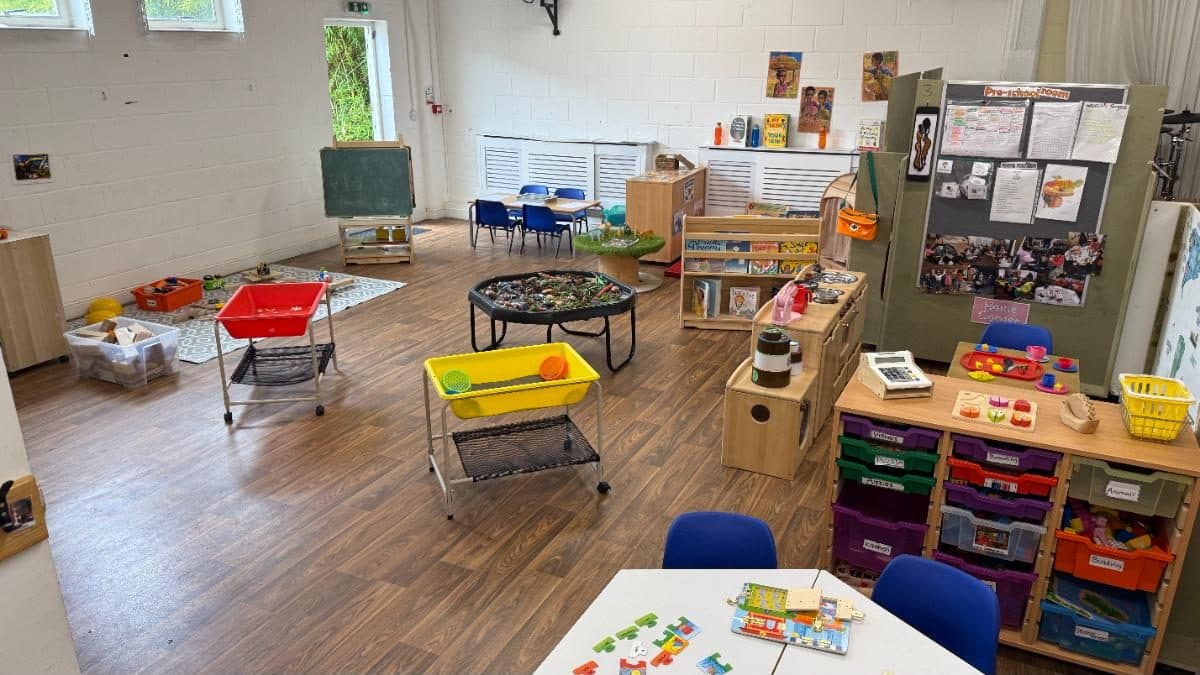
Mixed-age groupings are something we think about carefully at Destiny Haven Nursery. Here's what we actually see happening when children of different ages learn alongside one another.
Frequently asked questions
My child hates getting their hands dirty. Should I still try messy play?
Yes, but gently and without pressure. We see this often at nursery, and we always follow the child's pace. Starting with dry materials like rice or sand, or tools like spoons rather than hands, can help. Over time, most children become more comfortable as they build trust with the activity and the adult alongside them.
At what age can children start messy play?
From very early on. Even babies benefit from simple sensory experiences like different textures and temperatures. At Destiny Haven we welcome children from three months old, and sensory exploration is woven into how we care for and engage our youngest children from the start.
How does Destiny Haven Nursery fit messy play into the daily routine?
Creative and messy play is a regular part of our curriculum at both our Noel Park and Tottenham sites. It connects to several areas of the EYFS framework and sits alongside our Wellcomm language programme and phonics work. We plan activities thoughtfully, but children always have space to explore freely within them.
Do you offer funded places, and can I use them across your sessions?
Yes, we accept 15 and 30 hour funded places. Funding can be used flexibly across different session types. Eligibility depends on your circumstances, so we always recommend checking at childcarechoices.gov.uk first. For more detail on how funding works with our sessions, visit our fees and funding page.