

Child Development
Why Outdoor Play Matters More Than You Might Think
Written by Susana, Owner & Manager at Destiny Haven Nursery
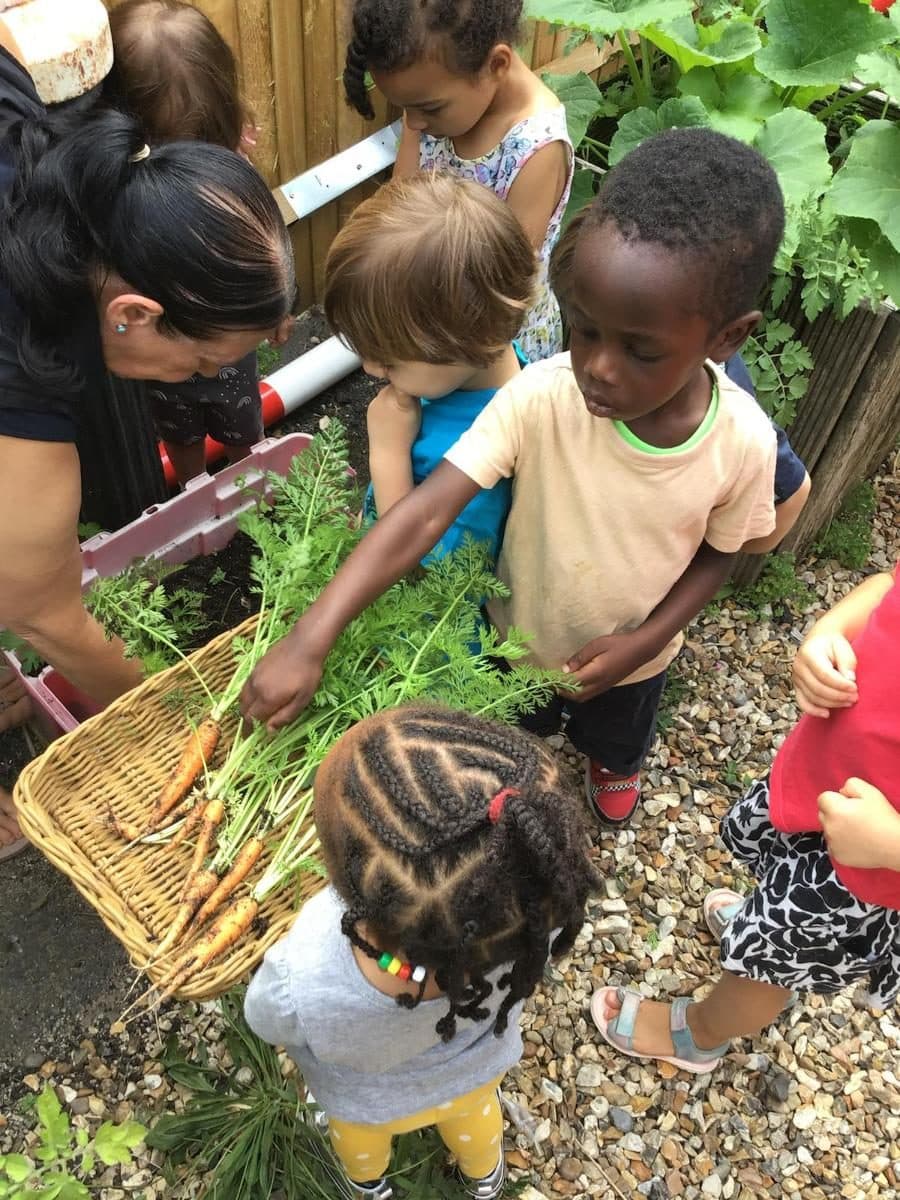
There is something that happens to children the moment they step outside. We see it every single day at Destiny Haven Nursery. The children who were sitting quietly at a table suddenly find a different kind of energy. They run, they crouch down to look at something in the ground, they negotiate with each other over who gets the spade. It is ordinary, and it is remarkable at the same time.
Outdoor play is woven into everything we do, and parents at both our Noel Park and Tottenham sites often ask us why we make such a point of it, whatever the weather. The honest answer is that after years of working with young children, we have seen what it does for them in ways that are hard to replicate indoors.
Physical development that actually sticks
When children play outside, they move in ways that are natural and varied. They are not being directed to do a star jump or follow an exercise routine. They are climbing, balancing, digging, throwing, and sprinting across uneven ground. All of that builds core strength, coordination, and spatial awareness in a way that feels effortless to them because they are simply playing.
For our youngest children, from around three months through to the toddler years, even supervised time outdoors in a pram or on a mat on grass introduces sensory experiences that an indoor environment just cannot replicate. The breeze, the light through leaves, the sounds of birds and traffic in the distance. These things matter.
Language and communication flourish outside
One of the things we notice most at Destiny Haven is how much children talk when they are outside. They are narrating what they are doing, asking each other questions, describing what they have found. We use the Wellcomm programme to support language and communication across our nursery, and outdoor play gives children a natural context to practise those skills without any pressure.
Children who are quieter indoors often find their voice outside. There is more space, more freedom, and somehow less self-consciousness. A child who barely spoke during a morning session can become a confident narrator of their own mud kitchen adventure by the afternoon.
Emotional regulation and wellbeing
This is the one that surprises some parents. It is easy to think of outdoor play as physical, but the emotional benefits are just as significant. We find that children who have regular outdoor time are calmer, better able to manage frustration, and more resilient when things do not go their way.
Being outside gives children the space to experience mild risk, to try something uncertain and get through it. A child who wobbles on a balance beam and does not fall, or one who does fall and gets back up, is learning something profound about their own capability. That builds confidence in a way that words of encouragement alone simply cannot.
There is also the straightforward effect of natural light and physical exertion on mood and sleep. Parents across North London frequently tell us that their children sleep better on days when they have been outside for longer stretches. We believe them, because we see the evidence in how settled the children are at rest time too.
Social skills in a different context
Outdoor environments naturally invite collaboration. A den needs more than one builder. A game involving a ball needs rules to be negotiated. A bucket of water and a pile of sand needs sharing. These are not situations we engineer; they arise organically, and children work through them in real time.
For families in Haringey and across North London, where outdoor space at home can sometimes be limited, the nursery garden or outdoor space becomes even more valuable. We take that seriously at both our settings.
What the EYFS says, and what we do with it
The EYFS statutory framework is clear that outdoor provision is not an optional extra but a core part of a child's learning environment. At Destiny Haven Nursery we have always approached it that way. Outdoor time is planned, purposeful, and observed by our practitioners, who are looking for the moments that tell them something important about how each child is developing.
We do not send children outside simply to burn energy before coming back in for the real learning. The outdoor environment is where some of the most meaningful learning of the whole day happens.
A few simple things you can do at home
- Let children explore outside without an agenda, even for short periods
- Allow them to get muddy or wet occasionally. The washing is worth it
- Resist the urge to fill every moment with directed activity. Boredom outdoors leads to creativity
- Let them take small, managed risks. Climbing a slightly too-high step is part of how they learn their own limits
If you would like to see how we approach outdoor learning in person, we would love to welcome you. You are welcome to book a show-around at either our Noel Park or Tottenham nursery and see the spaces and the team for yourself.
Come and see us for yourself
Book a relaxed tour of Destiny Haven Nursery and meet our team.
Book a tourOther guides you might like
Child Development
Growing Up with Two Languages: What We See at Nursery and How We Support Bilingual Children
Many families in Haringey and across North London are raising children with more than one language at home. Here is what we observe day to day with bilingual children, and how we support their language development from the earliest age.
Child Development
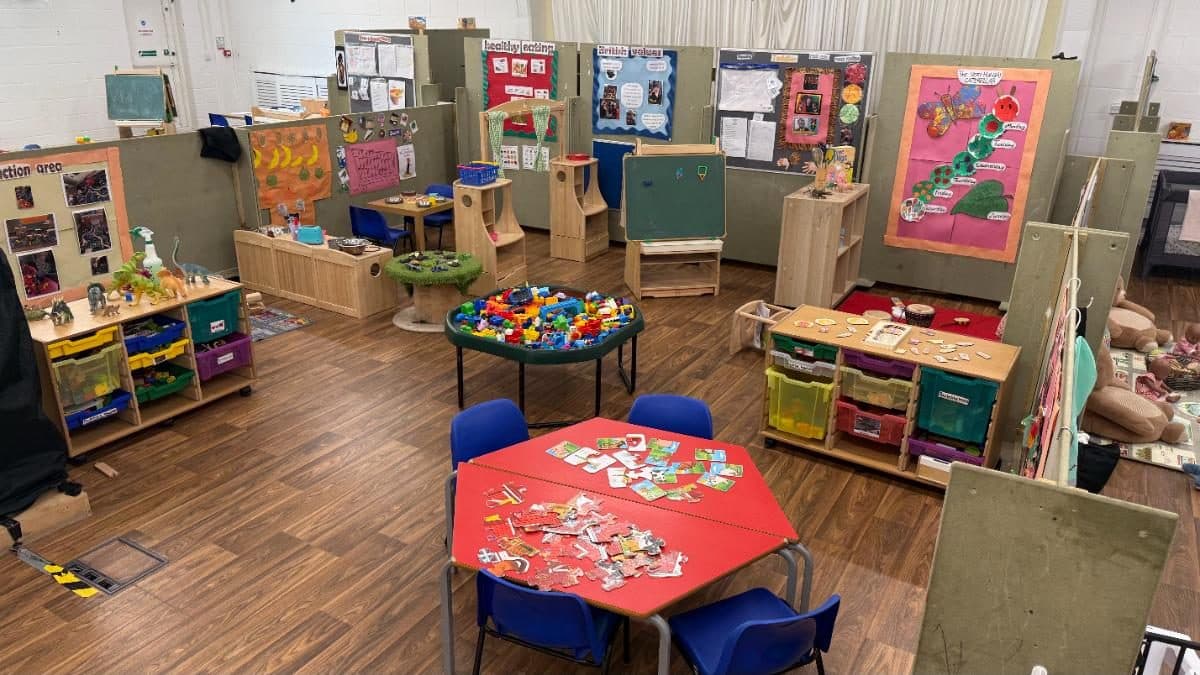
The 7 Areas of Learning in the EYFS: What They Look Like at Destiny Haven
The EYFS areas of learning explained in plain language, with real examples from our nursery day. Here is what your child is actually doing and why it matters.
Child Development
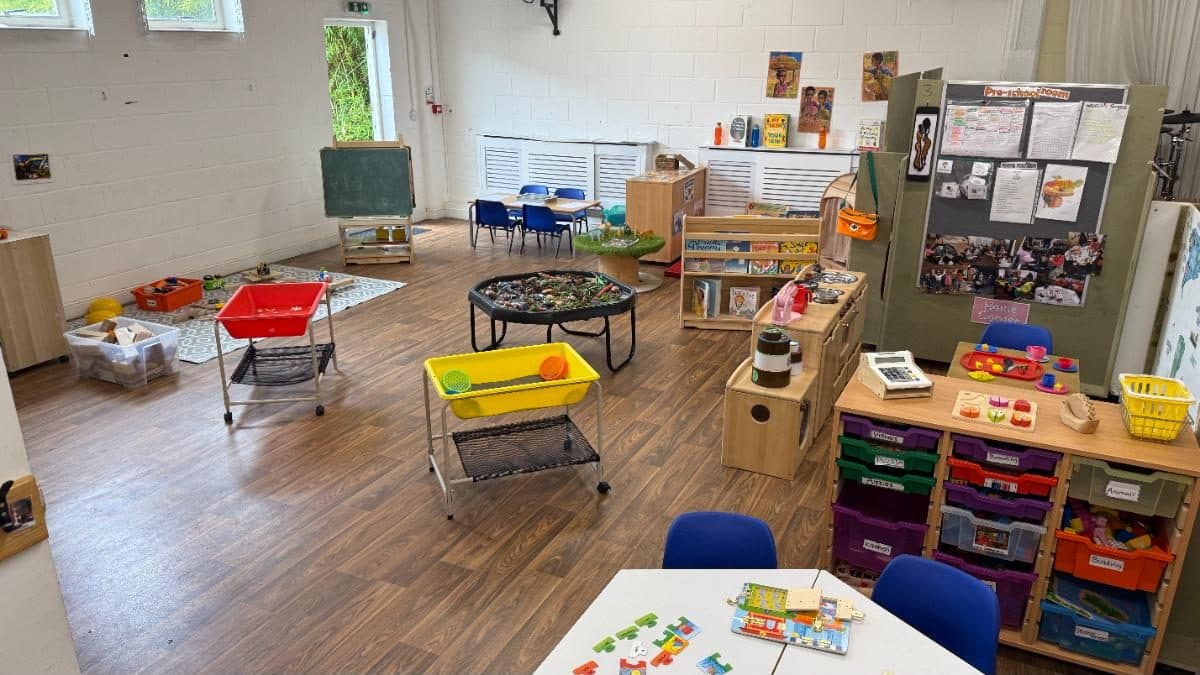
What Mixed-Age Learning Really Looks Like (And Why It Works)
Mixed-age groupings are something we think about carefully at Destiny Haven Nursery. Here's what we actually see happening when children of different ages learn alongside one another.
Frequently asked questions
How much outdoor time do children get at Destiny Haven Nursery each day?
We build outdoor time into the daily routine at both our Noel Park and Tottenham sites rather than treating it as an add-on. The exact time varies with the session and the weather, but we go outside regularly throughout the day. Our practitioners plan outdoor activities with the same care as indoor ones, so children are always engaged and supervised.
What if my child does not like being outside or finds it overwhelming at first?
That is more common than you might expect, especially in younger children or those who are newly settled. We follow each child's lead and never force the pace. Our key person approach means we get to know what makes each child comfortable, and we build confidence outdoors gradually. Most children come round to it in their own time.
At what age do the benefits of outdoor play really start to show?
From very early on, even for babies. Supervised outdoor time introduces sensory experiences like light, sound, and texture that support early brain development. As children move into the toddler and pre-school years, the benefits for language, physical development, and emotional regulation become even more visible. There is no age where it stops being valuable.
Can I come and see the outdoor spaces at Destiny Haven before enrolling my child?
Absolutely. We encourage every family to book a show-around so you can see both the indoor and outdoor environments properly. It is the best way to get a real feel for how we use the space and how our practitioners work with the children. We would be happy to show you around either our Noel Park or Tottenham setting.