

Child Development
Why Play Is the Most Serious Thing We Do at Nursery
Written by Susana, Owner & Manager at Destiny Haven Nursery
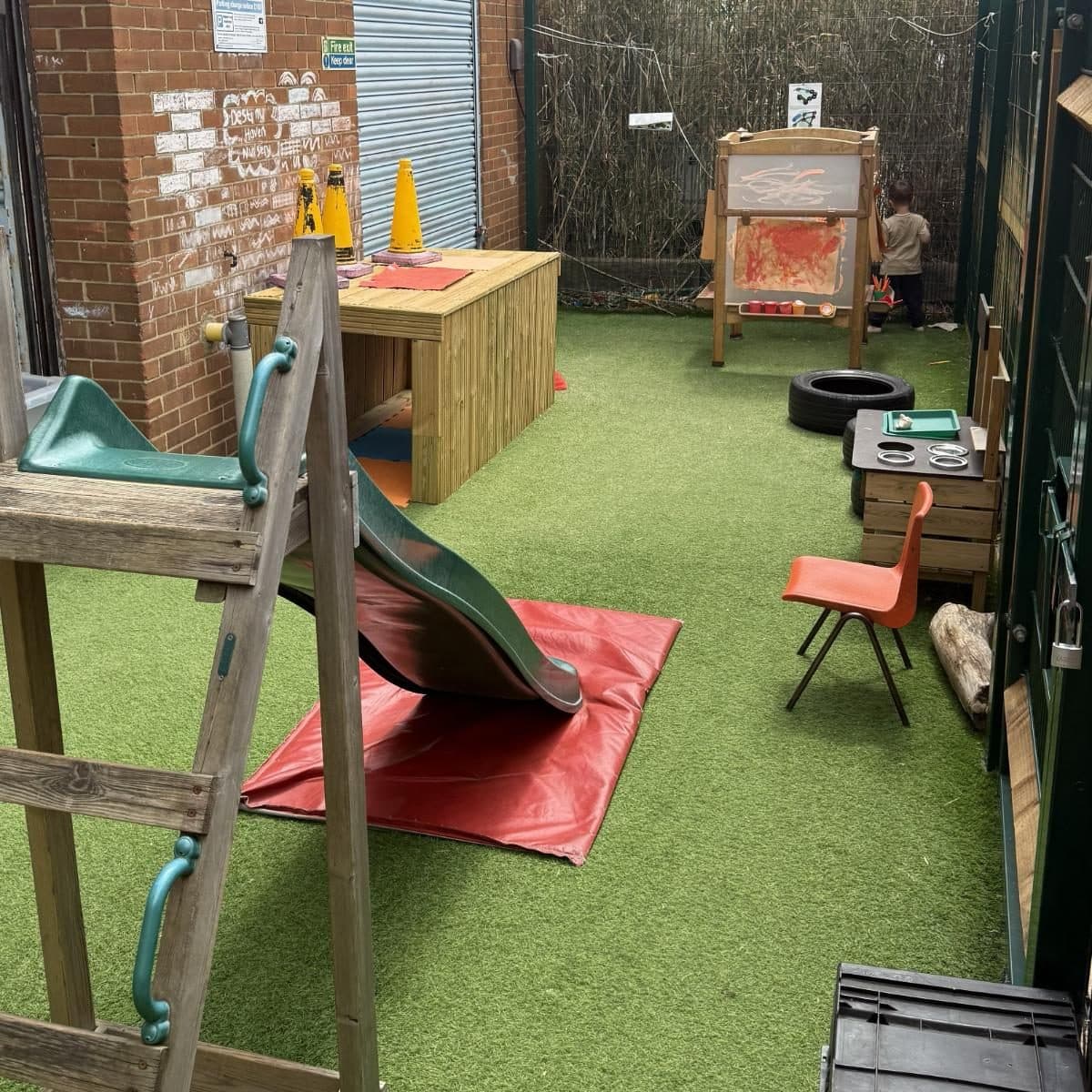
Play gets underestimated. Parents sometimes worry that their child is "just playing" when they visit us, as though real learning should look more structured, more serious. I understand that instinct completely. But after years working in early years, and seeing children grow through our nursery from tiny babies into confident, curious five-year-olds, I can say with certainty: play is the work of childhood.
What we actually see when children play
When a two-year-old stacks blocks and watches them fall, they are not wasting time. They are forming an early understanding of cause and effect, weight, balance, and spatial reasoning. When a group of three-year-olds argue over who gets to be the shopkeeper in the role-play corner, they are practising negotiation, turn-taking, and language in a way that no worksheet could replicate.
We see this play out every day across our settings in Haringey. The children who immerse themselves most deeply in imaginative play tend to be the ones who develop the strongest vocabulary, the most resilience, and the most confidence when it comes to starting school.
The different types of play, and why each one matters
Not all play looks the same, and that is a good thing. At different stages, children need different kinds of play to grow:
- Exploratory play in babies and young toddlers, where they mouth objects, splash water, and feel different textures, is how the brain builds its first connections with the physical world.
- Symbolic and pretend play from around age two onwards supports language, creativity, and emotional understanding. When a child pretends a banana is a phone, that is genuine abstract thinking.
- Constructive play, building, making, organising, supports problem-solving and perseverance.
- Physical play, climbing, running, rolling, is not just good for bodies. It builds spatial awareness, coordination, and confidence.
- Social play, which develops gradually and deepens throughout the early years, is where children practise empathy, communication, and how to navigate relationships.
We weave all of these through our daily programme, including through our LEEP curriculum and creative play provision, because we know that children do not develop in neat, separate boxes. Language, movement, thinking, and feeling are all happening at once.
When play supports communication specifically
This is something I feel strongly about. We use the Wellcomm programme to support language and communication development, and what we find consistently is that play is the most natural vehicle for those skills. Children talk more when they are doing something they care about. They ask questions, they negotiate, they tell stories. A child who is quiet in a formal setting will often surprise you the moment they are absorbed in play.
For families in North London, particularly in areas like Haringey where many children grow up in multilingual homes, play is also one of the most powerful bridges between languages. Children code-switch naturally in play in a way that is genuinely wonderful to watch.
What good play provision actually looks like
I think it is worth saying that quality matters. Play in a well-resourced, thoughtfully planned environment looks quite different from unstructured time with no adult support. At Destiny Haven Nursery, our practitioners are not passive observers during play. They are actively present, narrating, questioning, extending ideas, and following the child's lead.
That balance, of giving children freedom while holding the space carefully, is something we work hard at across our Noel Park and Tottenham sites. It takes skill and genuine attentiveness to know when to step in and when to stay back.
What parents can do at home
Play does not need to be elaborate or expensive. Some of the richest play I have seen involves a cardboard box, a pile of cushions, or a kitchen drawer of wooden spoons. A few things that genuinely help:
- Follow your child's lead rather than directing the play
- Resist the urge to solve problems for them straight away
- Get on the floor with them when you can, even for ten minutes
- Let things get a bit messy sometimes. The mess is usually where the learning is
- Talk about what they are doing without turning it into a quiz
Children who feel confident and free in their play at home tend to settle more easily into nursery life, and we see the difference.
Come and see it for yourself
If you are curious about what play-based learning looks like in practice, or if you are considering nursery for your child in Haringey or the surrounding areas of North London, we would love to welcome you for a visit. Seeing is believing, and there is nothing quite like watching a room full of children absorbed in purposeful, joyful play to understand why we take it so seriously.
Book a tour and come and spend some time with us.
Come and see us for yourself
Book a relaxed tour of Destiny Haven Nursery and meet our team.
Book a tourOther guides you might like
Child Development
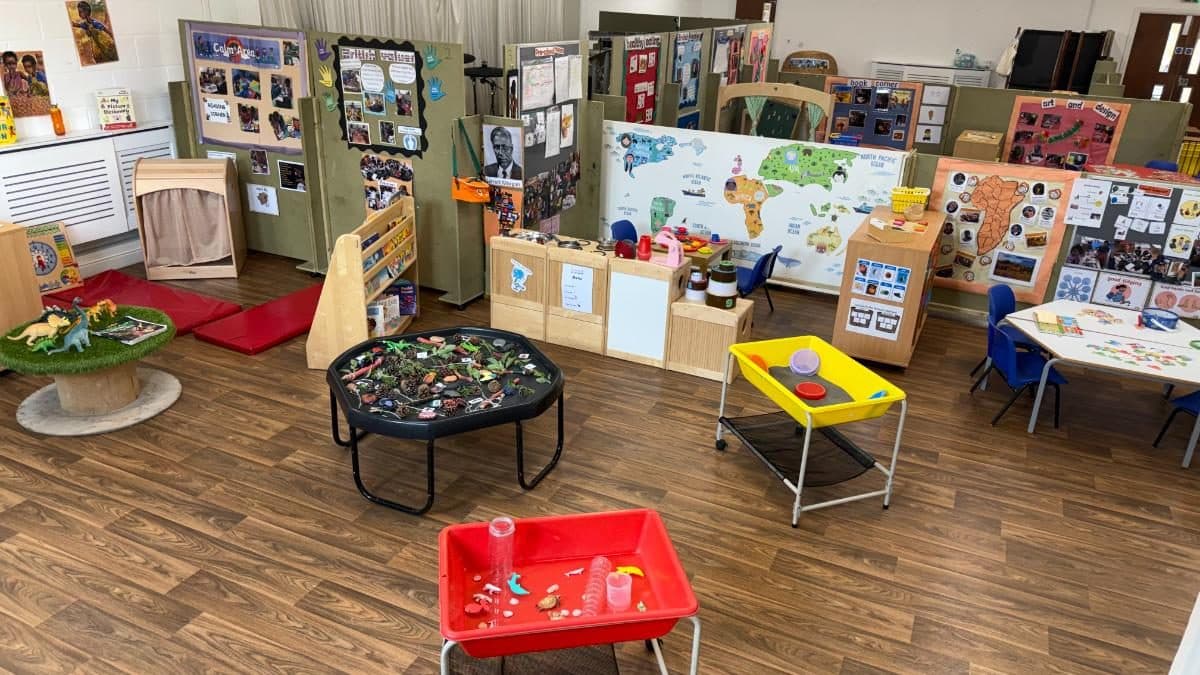
Sleep and Development in the Early Years: What We See at Nursery
Sleep shapes so much of how young children grow, learn, and feel. Here, Susana shares what we observe day to day at Destiny Haven Nursery and what families often ask us about rest.
Child Development
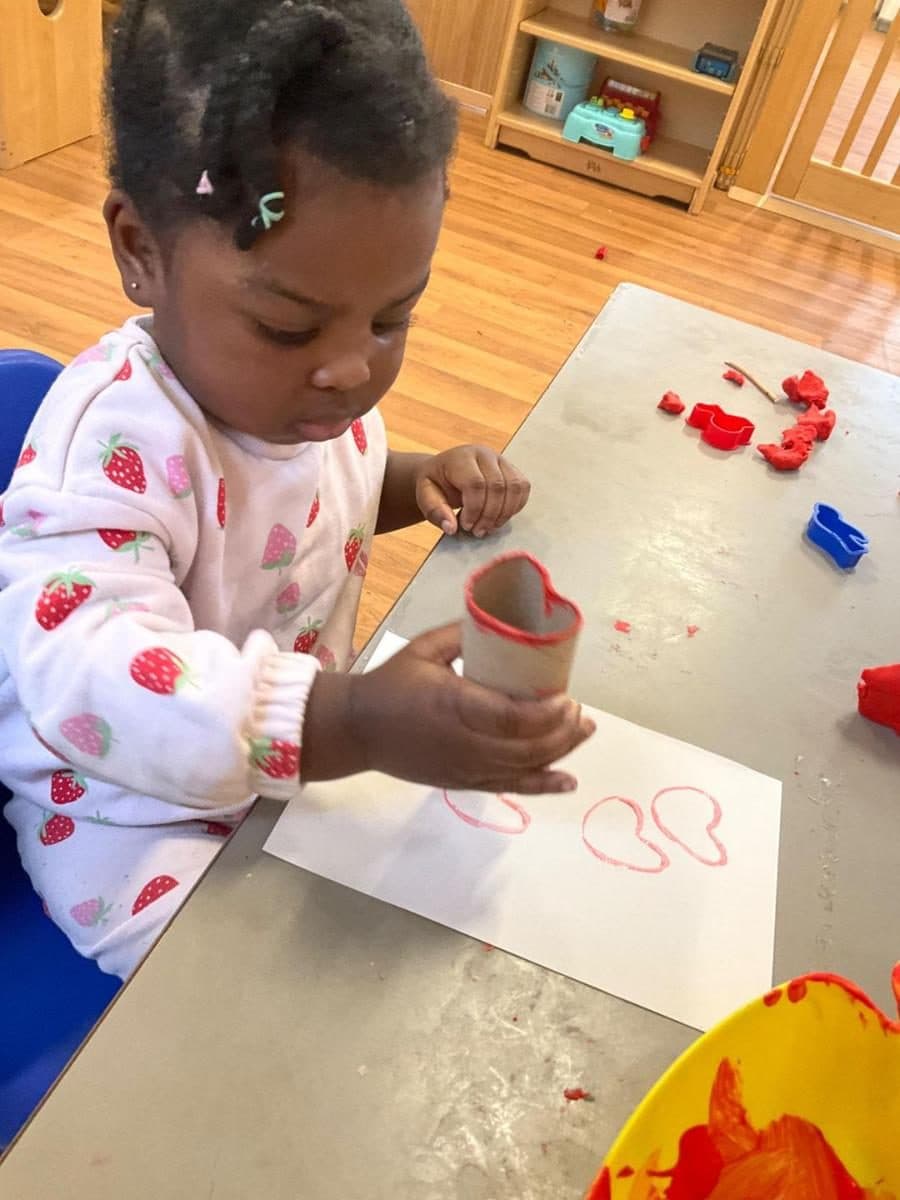
Simple Ways to Support Your Child's Speech and Language at Home
From everyday conversation to bath-time routines, there is so much you can do at home to nurture your child's communication. Here are the approaches we share with families at Destiny Haven Nursery.
Child Development
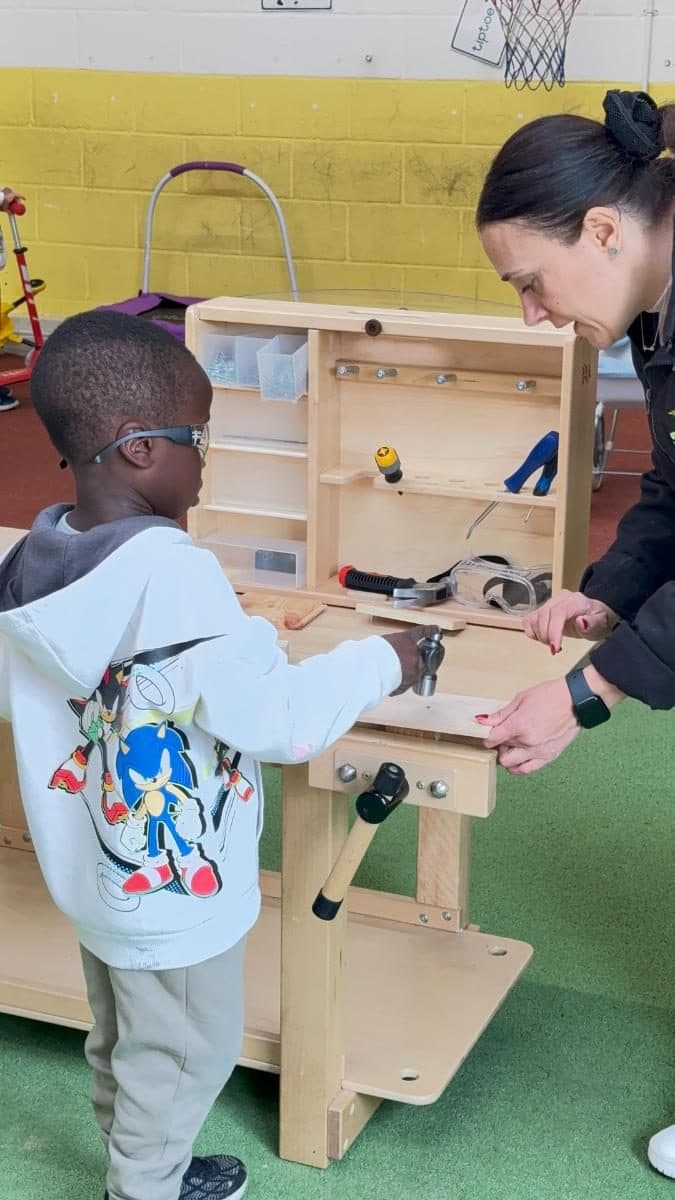
Simple Ways to Support Your Child's Speech and Language Development at Home
Speech and language development happens in the small moments of everyday life. Here are some of the approaches we use at Destiny Haven Nursery, and how you can carry them on at home.
Frequently asked questions
At what age should children start learning through play rather than more structured activities?
From birth, honestly. Even very young babies are learning through sensory exploration and interaction. Structured activities have their place as children grow, but play remains one of the most effective ways children learn right through the early years and beyond. We see this every day with children from three months upwards.
How do you make sure children are actually progressing if they are spending so much time playing?
Play and progress are not opposites. Our practitioners observe children carefully during play and use frameworks including the EYFS to track development. What a child does in the role-play corner or the construction area tells us a great deal about where they are and what they need next. We share that regularly with parents too.
What curriculum does Destiny Haven Nursery follow?
We follow the EYFS framework alongside the LEEP programme, Wellcomm for language and communication, and phonics. Creative play is central to everything we do. We also provide SEND support and maintain a strong parent partnership approach, so families are always involved in their child's learning journey.
Do you offer funded places at Destiny Haven Nursery?
Yes. We accept both 15-hour and 30-hour government-funded places at our Noel Park and Tottenham sites in Haringey. If you are unsure whether your child is eligible or want to know how funding works alongside our other sessions, we are happy to talk it through when you come for a visit.