

Child Development
Growing Up with Two Languages: What We See at Nursery and How We Support Bilingual Children
Written by Susana, Owner & Manager at Destiny Haven Nursery
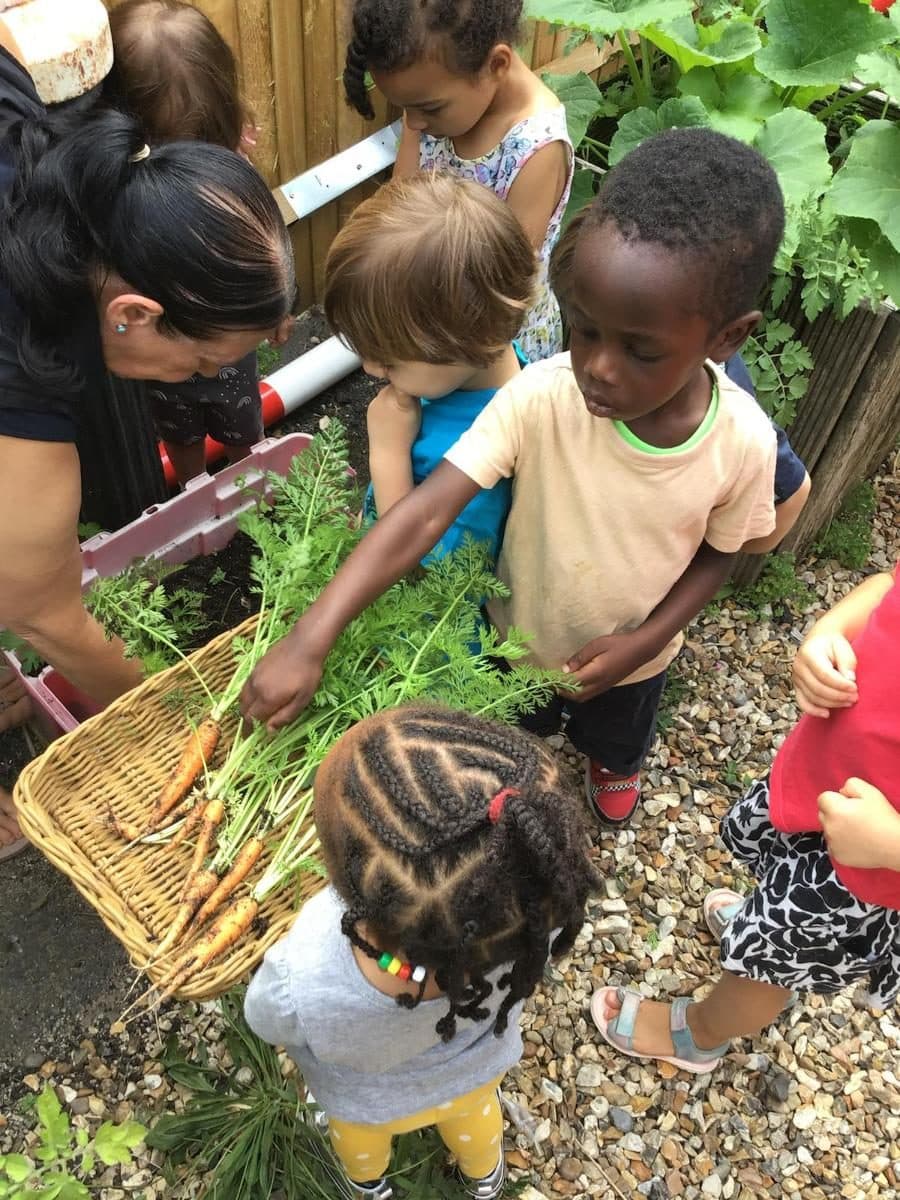
Many of the families we welcome at Destiny Haven Nursery are raising their children with two or more languages. In Haringey and the surrounding areas of North London, that is simply the reality of the communities we are part of, and it is something we genuinely value. Languages bring richness, connection, and identity into a child's life.
Parents often come to us with worries, though. Will my child get confused? Will speaking our home language slow down their English? Should I just switch to English at home to help them settle in? These are completely understandable questions, and I want to share what we actually see and experience at nursery, rather than what might sound reassuring in theory.
What bilingual development actually looks like
When a child arrives with a home language that is different from the nursery setting, there is often a period of quiet observation. We see this regularly. A child who chatters confidently at home might seem withdrawn in the first few weeks, listening and watching carefully before they feel ready to speak. This is not a delay. It is a very natural and healthy part of adjusting to a new language environment.
What we also notice, usually within a few months, is that these children often develop a remarkable sensitivity to language. They pick up on tone, context, and meaning in ways that can be striking. They move between languages fluidly, sometimes mixing them in a single sentence. That mixing, sometimes called code-switching, is not a sign of confusion. It is actually a sophisticated skill that reflects genuine bilingual thinking.
Supporting home languages at nursery
One of the things I feel strongly about is that a child's home language should never be treated as something to overcome. It is part of who they are.
In our nursery, we try to:
- Find out key words and phrases in each child's home language during the settling-in process, so their key person can use them where possible
- Display greetings and familiar words in multiple languages around the room
- Welcome parents and carers to share songs, stories, or words from home, which we can incorporate into the day
- Make sure children never feel embarrassed or corrected for speaking their home language
- Use our Wellcomm programme thoughtfully, understanding that communication milestones look different for bilingual children
We follow a gentle, personalised settling-in approach led by each child's key person, and for bilingual children this relationship becomes especially important. A trusted adult who notices when a child understands something, even if they are not yet speaking, can make an enormous difference.
The home language question
Parents often ask whether they should speak more English at home to support nursery learning. My honest answer is almost always the same: keep speaking your home language. The richness of vocabulary and the emotional depth a child develops in their first language actually supports their acquisition of additional languages. A strong foundation in any language is a foundation for all language.
What does help is reading together regularly, in whichever language feels natural. Talking about the day, narrating what you are doing, singing songs. These habits build language regardless of which language they are in.
When to seek a little extra support
Bilingual children are sometimes referred for speech and language assessments, and occasionally that referral is genuinely useful. But it is worth knowing that typical speech and language milestones are based largely on monolingual children, which means bilingual children can appear to be behind when they are not.
If a child seems to be struggling to communicate in both languages, or if there are concerns beyond language alone, then it is worth raising with the nursery team and your health visitor. But a child who is quiet in English while being expressive at home is almost always doing exactly what they should be doing.
At Destiny Haven Nursery, we use the Wellcomm screening tool as part of how we track language and communication development. We approach this with bilingual children in mind, and we always consider the fuller picture, including what parents tell us about how their child communicates at home.
What we see over time
The bilingual children we have watched grow through our nursery across our Noel Park and Tottenham settings have, without exception, found their feet. Some take longer than others. Some arrive speaking very little English and leave fully confident. Some arrive confident and go through a quieter patch in the middle. Every journey is different, but the trajectory is almost always a positive one when children feel safe, seen, and unhurried.
If you are thinking about nursery for a bilingual child and wondering how we would support them, I would genuinely love to show you around and talk it through. You can book a tour at either of our sites, and we will take the time to understand your child and your family before they even start.
Come and see us for yourself
Book a relaxed tour of Destiny Haven Nursery and meet our team.
Book a tourOther guides you might like
Child Development
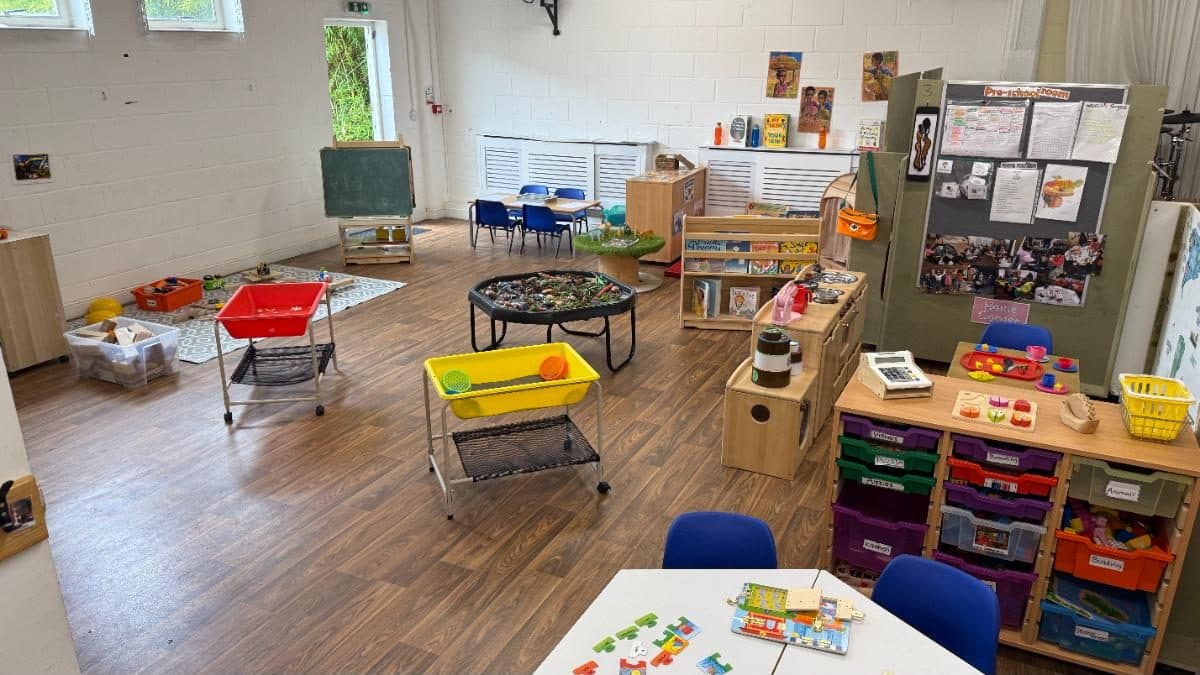
What Mixed-Age Learning Really Looks Like (And Why It Works)
Mixed-age groupings are something we think about carefully at Destiny Haven Nursery. Here's what we actually see happening when children of different ages learn alongside one another.
Child Development
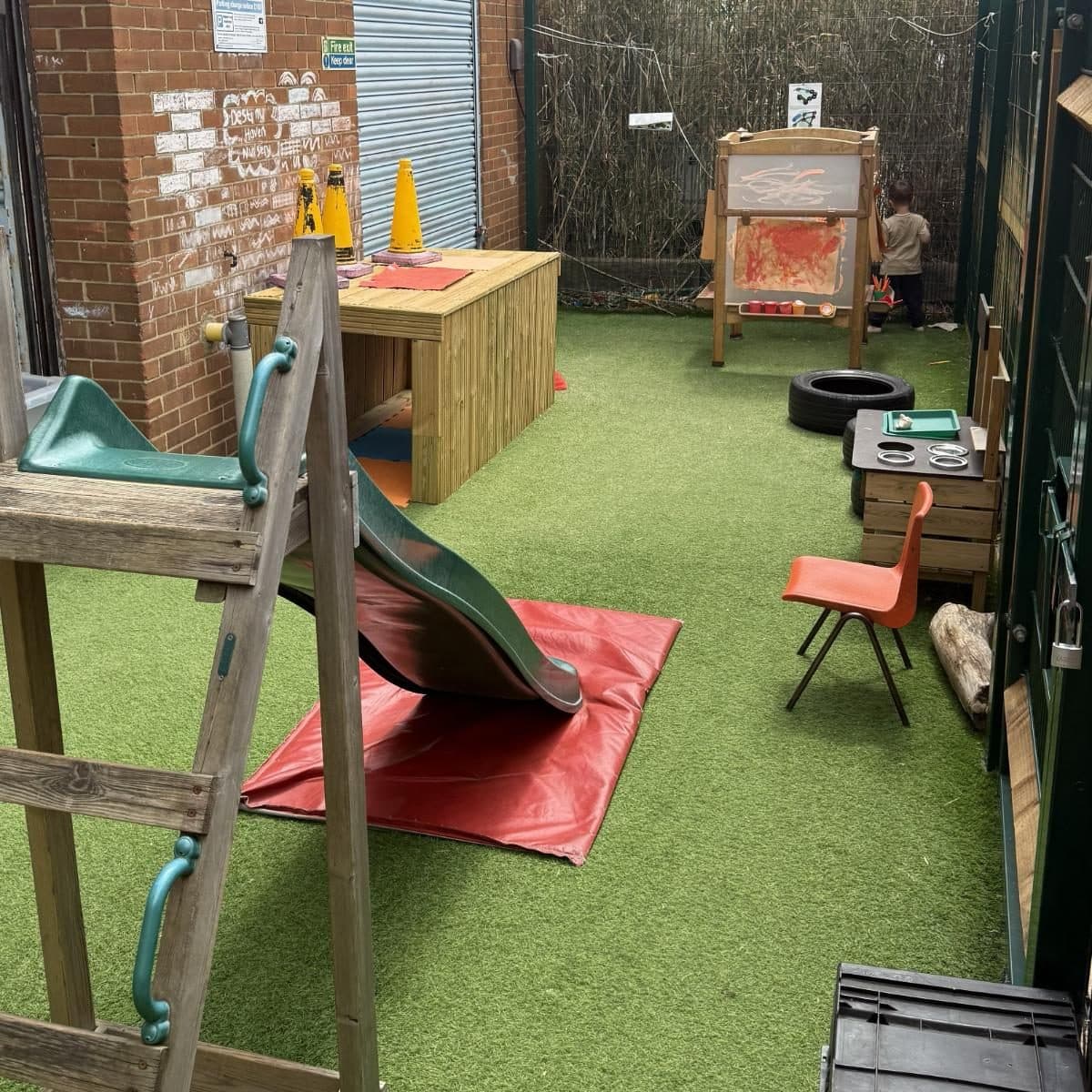
Why Play Is the Most Serious Thing We Do at Nursery
Play is not a break from learning. It is how children learn. Here is what we see every day at Destiny Haven Nursery, and why it matters more than most people realise.
Child Development
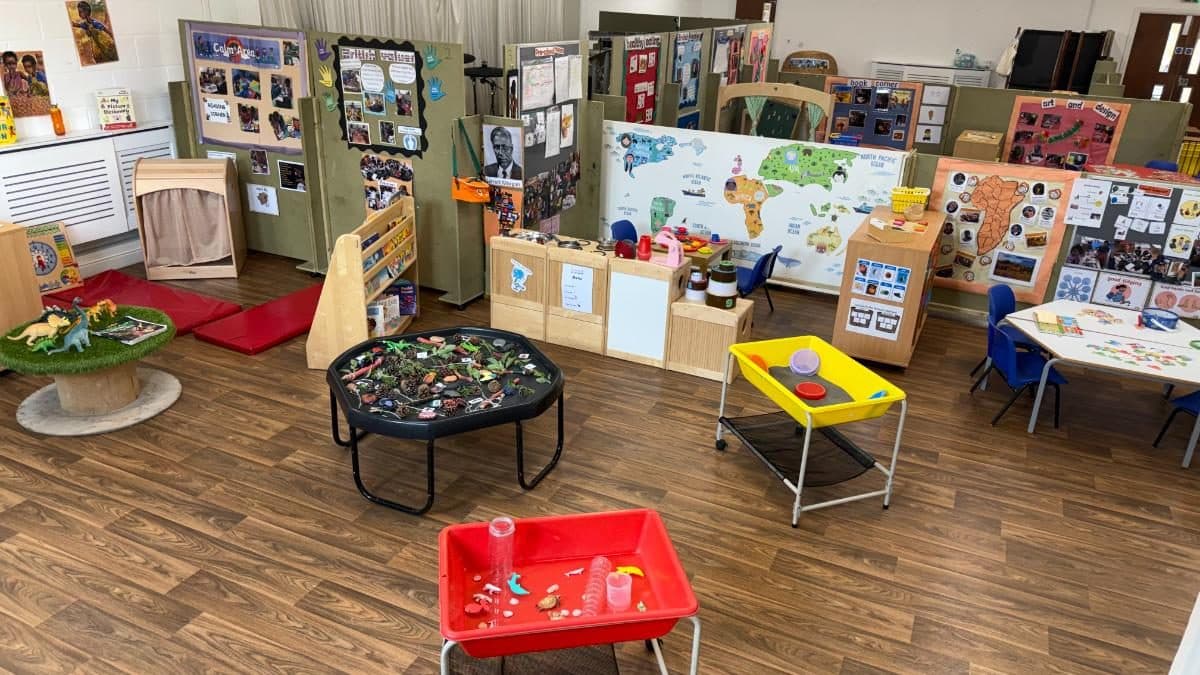
Sleep and Development in the Early Years: What We See at Nursery
Sleep shapes so much of how young children grow, learn, and feel. Here, Susana shares what we observe day to day at Destiny Haven Nursery and what families often ask us about rest.
Frequently asked questions
Will speaking our home language at home slow down my child's English development at nursery?
In our experience, no. A strong foundation in a home language actually supports the learning of additional languages. We encourage families to keep speaking their home language confidently. The richness children build in their first language transfers meaningfully to everything they learn in English at nursery.
My child mixes languages in the same sentence. Should I be concerned?
This is very common and is not a sign of confusion. It is called code-switching and it reflects genuine bilingual thinking. Children move between languages depending on context, comfort, and the words available to them. We see it regularly at nursery and treat it as a sign of developing language skill, not a problem to correct.
How does Destiny Haven Nursery support children who are learning English as an additional language?
During settling in, each child's key person learns key words in the home language where possible. We use our Wellcomm programme with bilingual children in mind and make sure home languages are represented and respected in the nursery environment. We also work closely with parents to understand how their child communicates at home.
What ages do you accept at Destiny Haven Nursery, and do you offer funded places?
We welcome children from 3 months to 5 years across our Noel Park and Tottenham sites in Haringey. We accept both 15 and 30 hours government-funded places. If you would like to find out whether your child is eligible for funding, we are happy to talk it through when you visit.