

Child Development
Sleep and Development in the Early Years: What We See at Nursery
Written by Susana, Owner & Manager at Destiny Haven Nursery
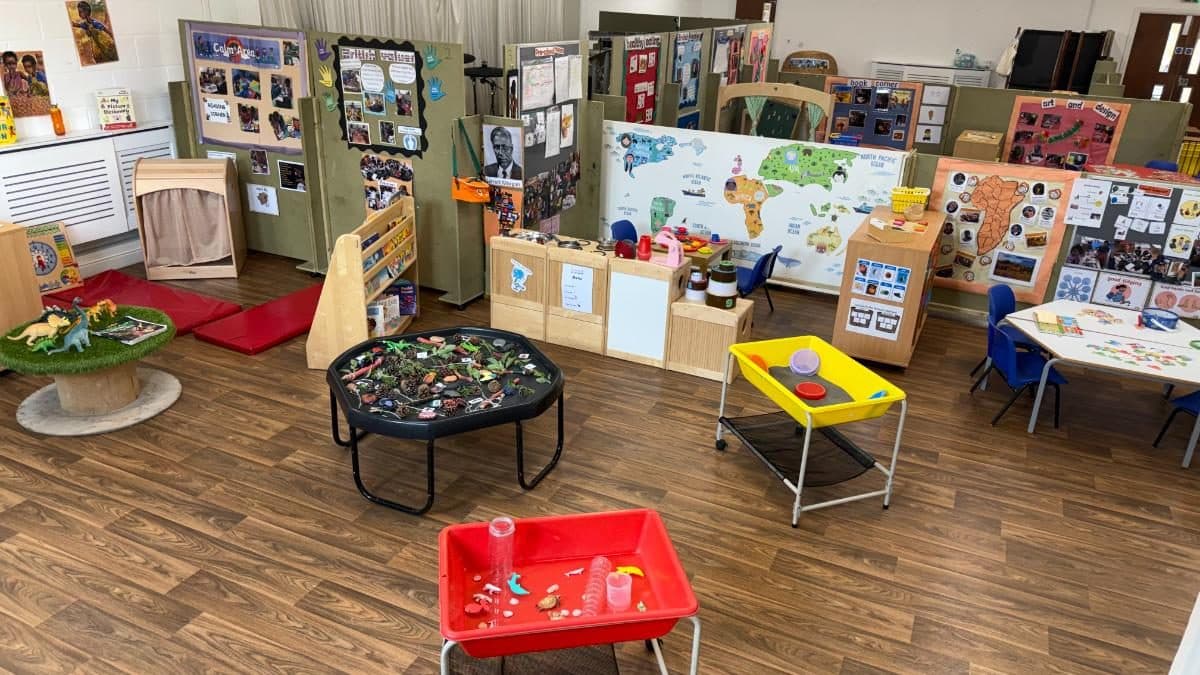
Sleep is one of those topics that comes up in almost every conversation I have with parents, whether a child has just started with us as a baby or is heading towards their fifth birthday. It is not always an easy subject, but it matters deeply, and I think it deserves an honest, grounded conversation.
Why sleep matters so much in the early years
From the moment a baby arrives in our baby room, we see how much sleep shapes their whole day. A well-rested three-month-old is more settled, more curious, and more able to engage with the world around them. An overtired toddler, on the other hand, often finds it genuinely harder to manage their emotions, their concentration, and their relationships with other children.
This is not about children behaving well or badly. It is about their brains and bodies doing the work they need to do. During sleep, young children process what they have experienced, consolidate new language, and grow physically. We notice this acutely in the nursery. After a holiday period, children often come back having made a small developmental leap, partly because they have had more rest and unstructured time.
The NHS Start for Life resource offers helpful, age-appropriate guidance on sleep that I often point parents towards, particularly for babies and toddlers.
What we observe across different ages
Babies (3 to 12 months) In our baby room, sleep routines vary enormously. We follow each baby's individual pattern rather than imposing a fixed schedule. What we do focus on is creating a calm, consistent environment so that sleep cues are recognised and respected. We keep families closely informed about nap times, because sleep at nursery and sleep at home are deeply connected.
Toddlers (1 to 3 years) This is the age where we see the most questions from families in Haringey and across North London. Most toddlers still need a daytime sleep, but many are also starting to resist it. We find that a predictable wind-down routine, even a short one, helps enormously. We use low lighting, quieter music, and gentle transitions to signal that rest time is coming.
Pre-school children (3 to 5 years) By this stage, many children have moved away from daytime naps entirely. But we still build in a quieter period after lunch. Even 20 minutes of calm, restful play gives children's brains a chance to recover and re-set. We see this reflected in their afternoon engagement, particularly during activities that require concentration, such as our phonics and Wellcomm language sessions.
Signs that a child may not be getting enough sleep
Parents often ask us how to tell whether their child is overtired, as opposed to just having a tricky day. From what we observe, common signs include:
- Increased emotional sensitivity or more frequent meltdowns
- Difficulty with transitions, such as moving from one activity to another
- Reduced appetite or disinterest in food they usually enjoy
- Clumsiness or less physical coordination than usual
- Struggling to sustain attention during familiar activities
None of these signs on their own mean something is wrong. But if we notice a pattern over several days, we will always share that with parents as part of our ongoing partnership.
Practical things families tell us help
Every family's home life is different, and I am always cautious about being prescriptive. But these are things parents across both our Noel Park and Tottenham settings have found useful:
- A consistent bedtime, even at weekends where possible
- Reducing screen exposure in the hour before bed
- A short, predictable routine, such as bath, story, and quiet time
- Keeping the bedroom cool and reasonably dark
- Not rushing straight from an active evening into bed
Some families have also found it helpful to share what is happening at nursery. We are always happy to talk through a child's day, their nap times, and what seemed to energise or tire them. That kind of communication between home and nursery makes a real difference.
How we support rest at Destiny Haven Nursery
At Destiny Haven, rest and emotional wellbeing sit alongside everything else we offer. Our curriculum is built on the EYFS framework, but we also draw on our LEEP programme and our values-led ethos to make sure children feel genuinely safe and settled. A child who feels secure in their environment sleeps better, and a child who sleeps well is more ready to learn, connect, and thrive.
If your child is finding the transition to nursery difficult, including around sleep and settling, our key person approach means there is always a familiar adult supporting them through that.
If you would like to see how we work with young children, including how we handle rest times and routines, we would love to show you around. You can book a show-around at either our Noel Park or Tottenham setting, and we will be happy to answer any questions you have in person.
Come and see us for yourself
Book a relaxed tour of Destiny Haven Nursery and meet our team.
Book a tourOther guides you might like
Child Development
Simple Ways to Support Your Child's Speech and Language at Home
From everyday conversation to bath-time routines, there is so much you can do at home to nurture your child's communication. Here are the approaches we share with families at Destiny Haven Nursery.
Child Development
Simple Ways to Support Your Child's Speech and Language Development at Home
Speech and language development happens in the small moments of everyday life. Here are some of the approaches we use at Destiny Haven Nursery, and how you can carry them on at home.
Child Development
What Is the EYFS Framework and What Does It Mean for Your Child?
The EYFS framework shapes how nurseries in England support children's learning and development from birth to age five. Here is what it actually means in practice, and how we use it at Destiny Haven.
Frequently asked questions
Do you still offer nap time for toddlers at nursery?
Yes. We offer a quiet rest period after lunch for younger children, and we follow each baby's individual sleep rhythm rather than imposing a fixed schedule. Some children sleep, others rest quietly. We work with parents to understand what their child needs and try to honour that within our daily routine.
My child is exhausted after nursery and hard to manage at bedtime. Is that normal?
Very common, and something parents mention to us often. A full day of learning, socialising, and sensory experience takes real energy. Many children need a calm, low-stimulation wind-down period when they get home before bedtime. A familiar snack, quiet time, and a consistent routine can all help ease that transition.
Does Destiny Haven Nursery offer SEND support if my child has additional needs affecting their sleep or behaviour?
Yes, we offer SEND support at both our Noel Park and Tottenham settings. Our team works closely with families where children have additional or complex needs, and we can liaise with external professionals where that is helpful. If you would like to talk through your child's specific needs, please book a show-around so we can have a proper conversation.
Can I get funded hours to help with nursery costs?
Yes. All three and four year olds are entitled to 15 funded hours per week, and eligible working parents can access 30 hours. From September 2025, funded hours are also available from nine months for eligible families. We accept both 15 and 30 hour funding. Visit our fees and funding page or check your eligibility at childcarechoices.gov.uk.