

Tips for Parents
Reading With Your Child: Simple Tips That Make a Real Difference
Written by Susana, Owner & Manager at Destiny Haven Nursery
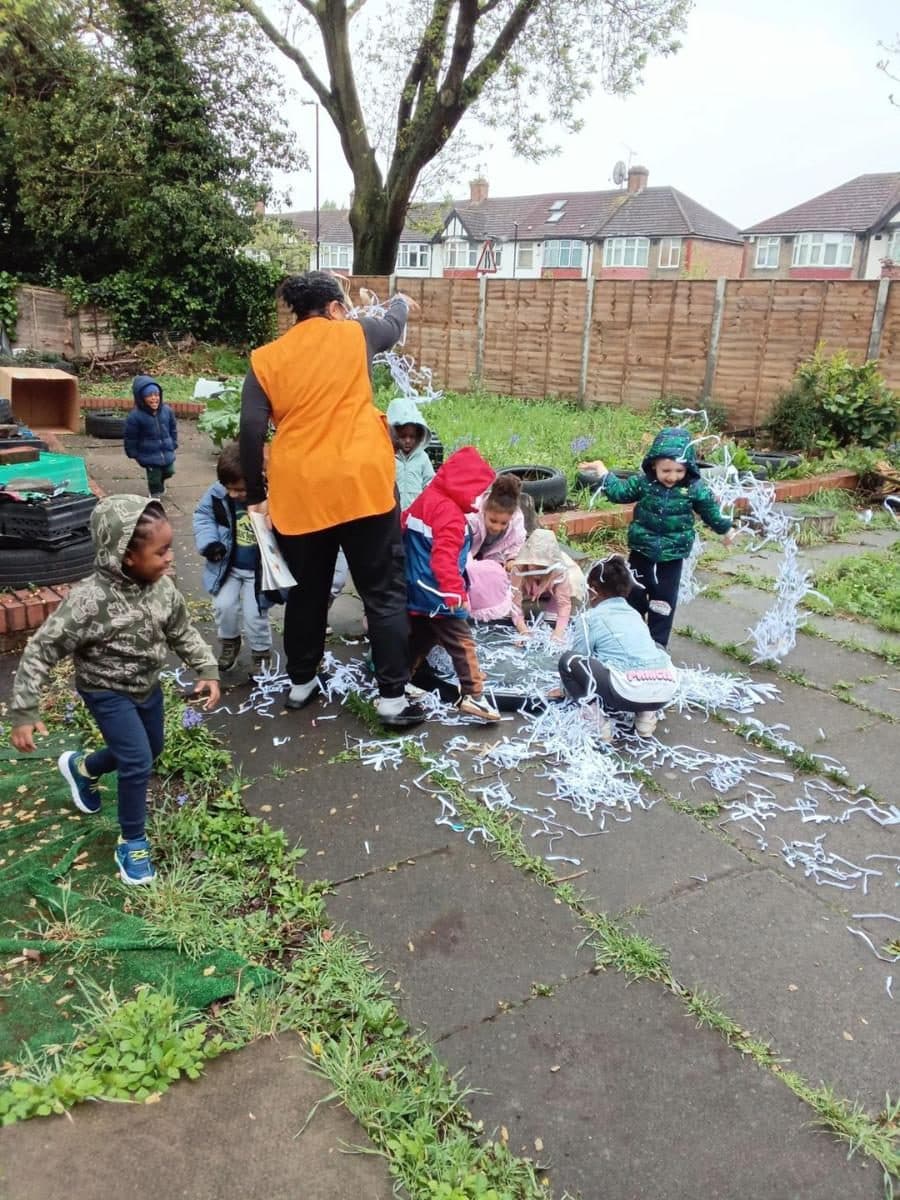
Reading together is one of those things that can feel a little daunting if you are not sure where to start, or if your child wriggles away after thirty seconds. I hear this from families regularly, both at our Noel Park setting and at our Tottenham site. The honest truth is that it does not need to look like a quiet, perfect bedtime story to count. What matters is that it happens, and that your child starts to connect books with warmth and your company.
Start earlier than you think
We work with children from three months old, and even at that age we use books, fabric pages, and picture cards as part of the day. Babies respond to the rhythm of your voice long before they understand words. Pointing at a picture and naming it, pausing, using a slightly slower and expressive tone, all of that is laying foundations. Parents often tell us they felt silly reading to a baby who could not talk back. But we see the difference it makes, and we notice it clearly in children's language and attention as they grow.
If your child is between nine months and two, board books with bold images and simple repetition tend to work well. Books with textures or sounds can hold attention longer at this stage. The goal is not comprehension. It is connection with language.
Make it part of the routine, not a chore
One thing we find at nursery is that books work best when they are woven into familiar moments rather than presented as a separate activity. Before nap time, after lunch, in the buggy on the way home from Haringey Library or the park, these quieter transitions are natural moments to pick up a book together.
You do not always have to read every word on the page. Some children, especially toddlers, want to turn pages at their own pace. Some want to point and ask questions. Some want you to make the same animal sound seventeen times in a row. Follow their lead. We find that children who feel ownership over the reading experience are far more likely to develop a genuine interest in books.
Talk about the pictures, not just the words
At Destiny Haven, we use the Wellcomm programme to support children's language and communication, and one of the core ideas behind it is that conversation is just as important as vocabulary. When you read with your child, try asking open questions about what you can see. "What do you think happens next?" or "Why does the bear look sad?" are more useful than simply reading and moving on.
This kind of back-and-forth, what early years practitioners sometimes call "serve and return" conversation, builds comprehension, imagination, and the kind of language skills that directly support learning to read later on. The EYFS statutory framework places communication and language as one of the three prime areas of learning for a good reason. It underpins almost everything else.
A few practical tips that actually work
- Keep a small basket of books somewhere accessible, not tidied away, so your child can choose independently.
- Re-reading the same book repeatedly is completely normal and genuinely useful. Familiarity builds confidence.
- Let your child hold the book, turn the pages, and point. Ownership matters.
- If your child is resistant, try audiobooks or sung stories as a bridge. The aim is a positive relationship with stories, not a specific format.
- Visit your local library. Families across Haringey and North London have access to some brilliant library programmes, including rhyme times and reading challenges, many of which are free.
- Do not worry if you miss a night. Consistency over time is what counts, not perfection.
When children are learning to read at school
For children moving into reception and beyond, reading at home takes on a slightly different shape. The main thing I would say to parents at this stage is to keep it enjoyable. Reading together should not feel like homework. Sit alongside your child, celebrate the words they get right, gently help with the ones they do not, and always finish on a positive note.
If your child is in our after school or holiday club provision in Tottenham or North London, our team is always happy to chat about what you can do at home to support what they are doing at school. That parent partnership matters enormously to us, and it is something we have built into how we work from the very beginning.
Come and see how we bring books to life
If you would like to see how we approach language, literacy, and learning at Destiny Haven, we would love to show you around. You are welcome to book a show-around at either our Noel Park or Tottenham site, where you can see our rooms, meet the team, and ask any questions you have. We accept 15 and 30 hour funded places, and you can find out more about costs on our fees and funding page.
Come and see us for yourself
Book a relaxed tour of Destiny Haven Nursery and meet our team.
Book a tourOther guides you might like
Child Development
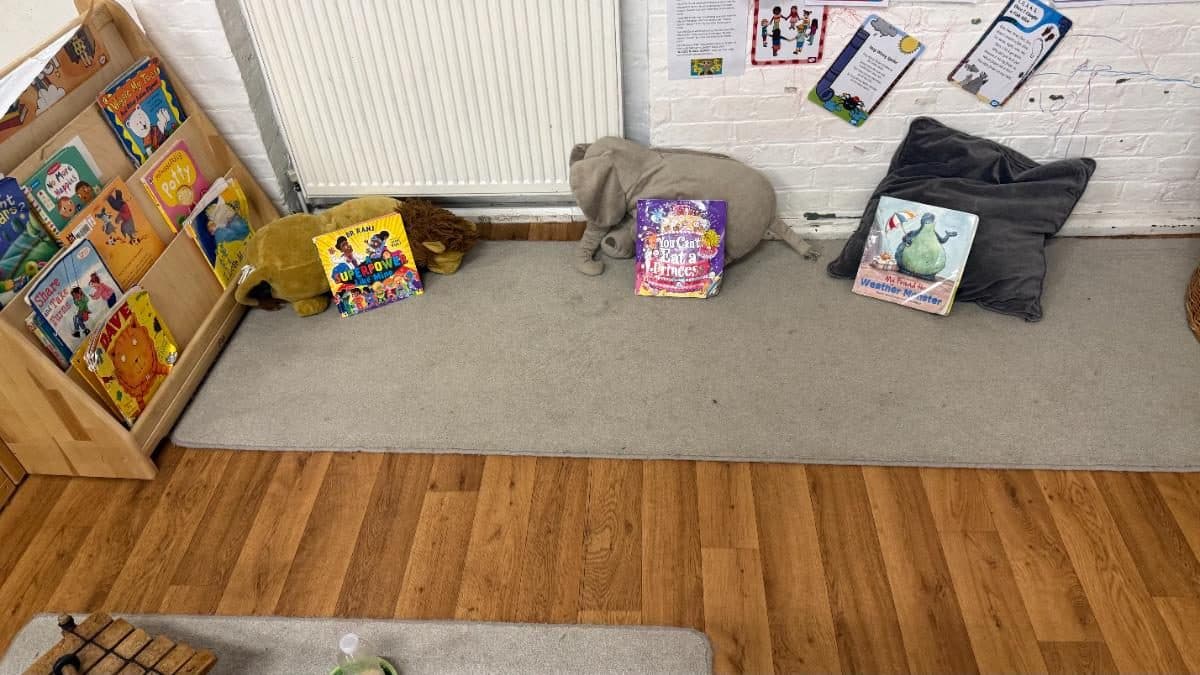
Why Messy Play Matters More Than You Might Think
Messy play can feel chaotic from the outside, but what we see at nursery is children learning in some of the most meaningful ways possible. Here is why we make space for it every single day.
Child Development
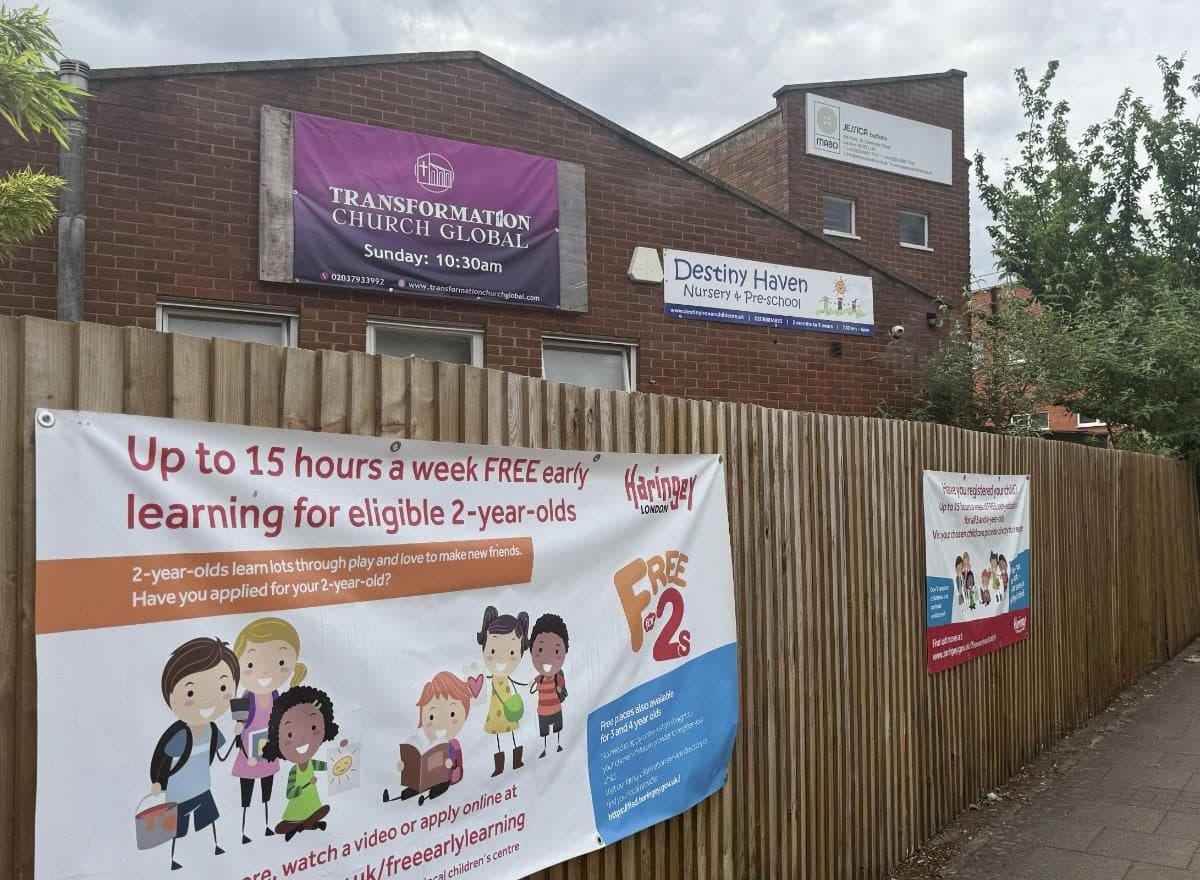
Why Outdoor Play Matters More Than You Might Think
Outdoor play is one of the most powerful things young children can experience, and it is about far more than fresh air. Here is what we see every day at Destiny Haven Nursery and why it shapes so much of a child's early development.
Child Development
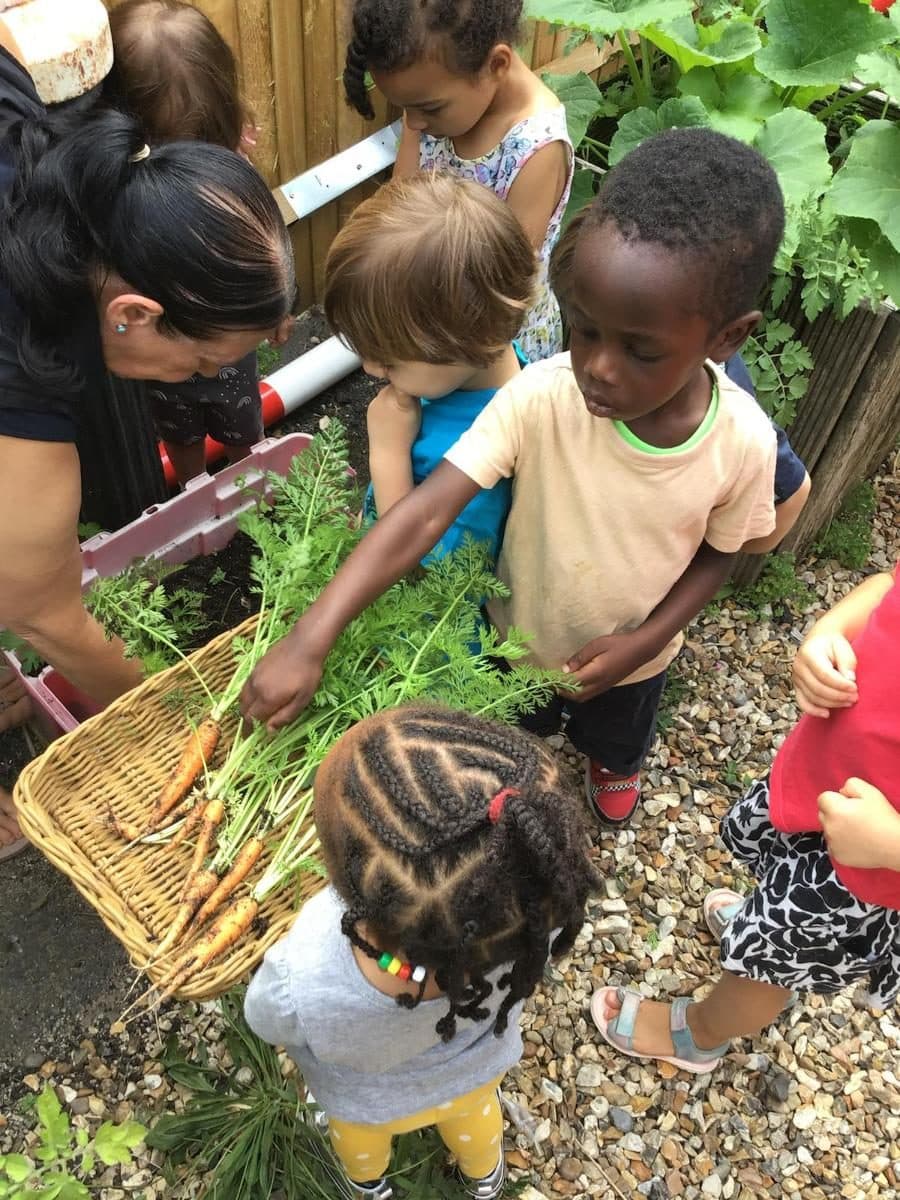
Growing Up with Two Languages: What We See at Nursery and How We Support Bilingual Children
Many families in Haringey and across North London are raising children with more than one language at home. Here is what we observe day to day with bilingual children, and how we support their language development from the earliest age.
Frequently asked questions
How much time should I spend reading with my child each day?
There is no fixed amount that works for every family. We find that even ten to fifteen minutes a day, done consistently and without pressure, makes a real difference. It is far better to have a short, enjoyable session than a longer one that feels like a chore for either of you.
My child refuses to sit still for stories. Is that a problem?
Not at all, and it is something we see regularly in our nursery rooms. Children do not have to be still to be listening. Let them move, fidget, or hold something while you read. What matters is that they are in the same space with the book and hearing your voice. Engagement often builds gradually over time.
Does Destiny Haven Nursery support early reading and language development as part of its curriculum?
Yes. We use the Wellcomm programme, which focuses specifically on language and communication, alongside phonics and the EYFS framework. Shared reading, storytelling, and conversations about books are woven into everyday life in our nursery rooms across both our Noel Park and Tottenham sites.
Can I visit Destiny Haven Nursery to find out more before enrolling my child?
Absolutely. We warmly encourage parents to come and see us in person before making any decisions. We have two settings in Haringey, one at Noel Park and one in Tottenham, and you can book a tour through our website. We accept 15 and 30 hour government funded places for eligible families.